Dry Standard Restoration

24/7 Emergency Response

Water Damage Restoration
in Colorado Springs

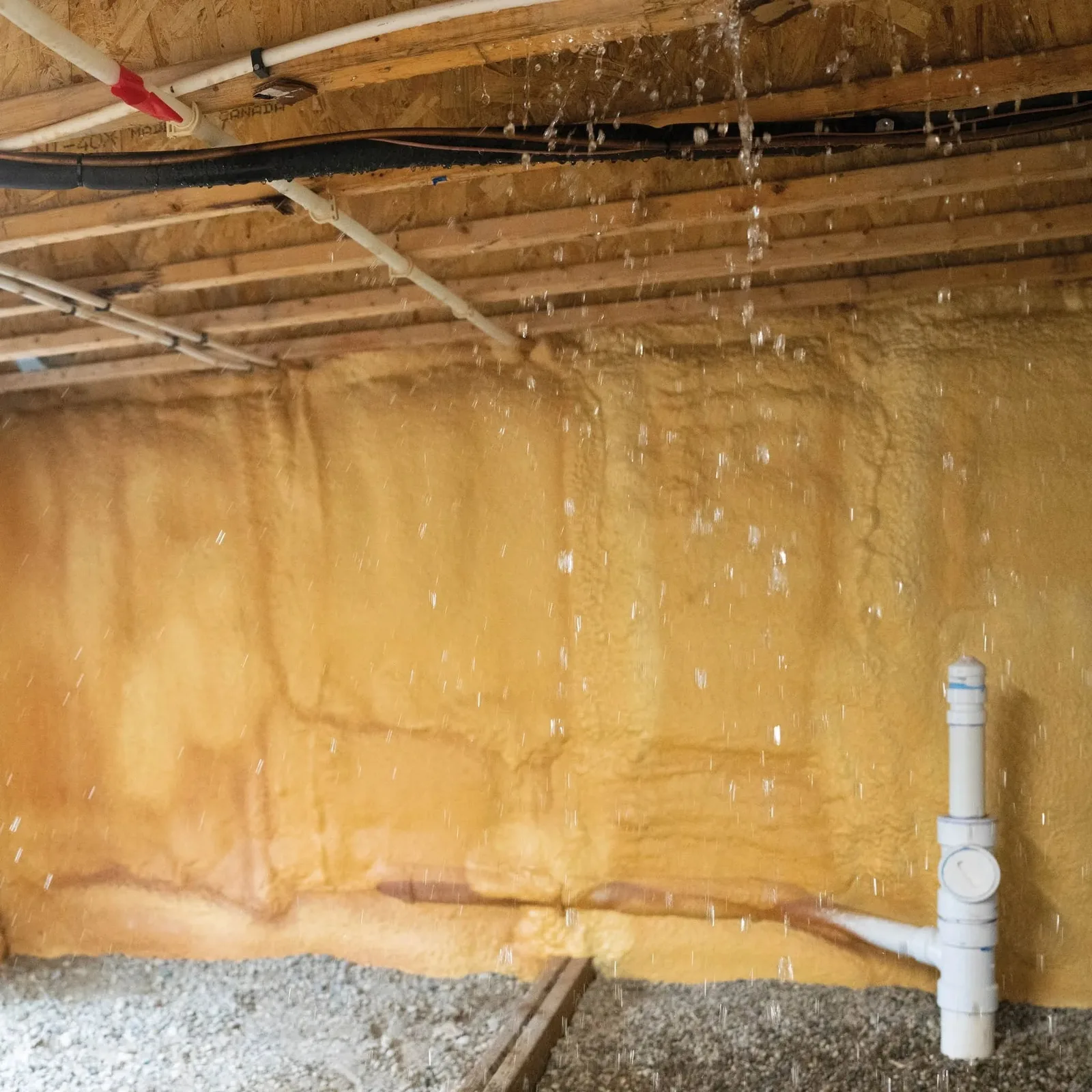
If you have standing water right now, shut the main off, stay out of sewer-source water, and call our water damage Colorado Springs team. A trained technician answers — not a call center.
IICRC-Certified Licensed & Insured Direct Insurance Billing El Paso County
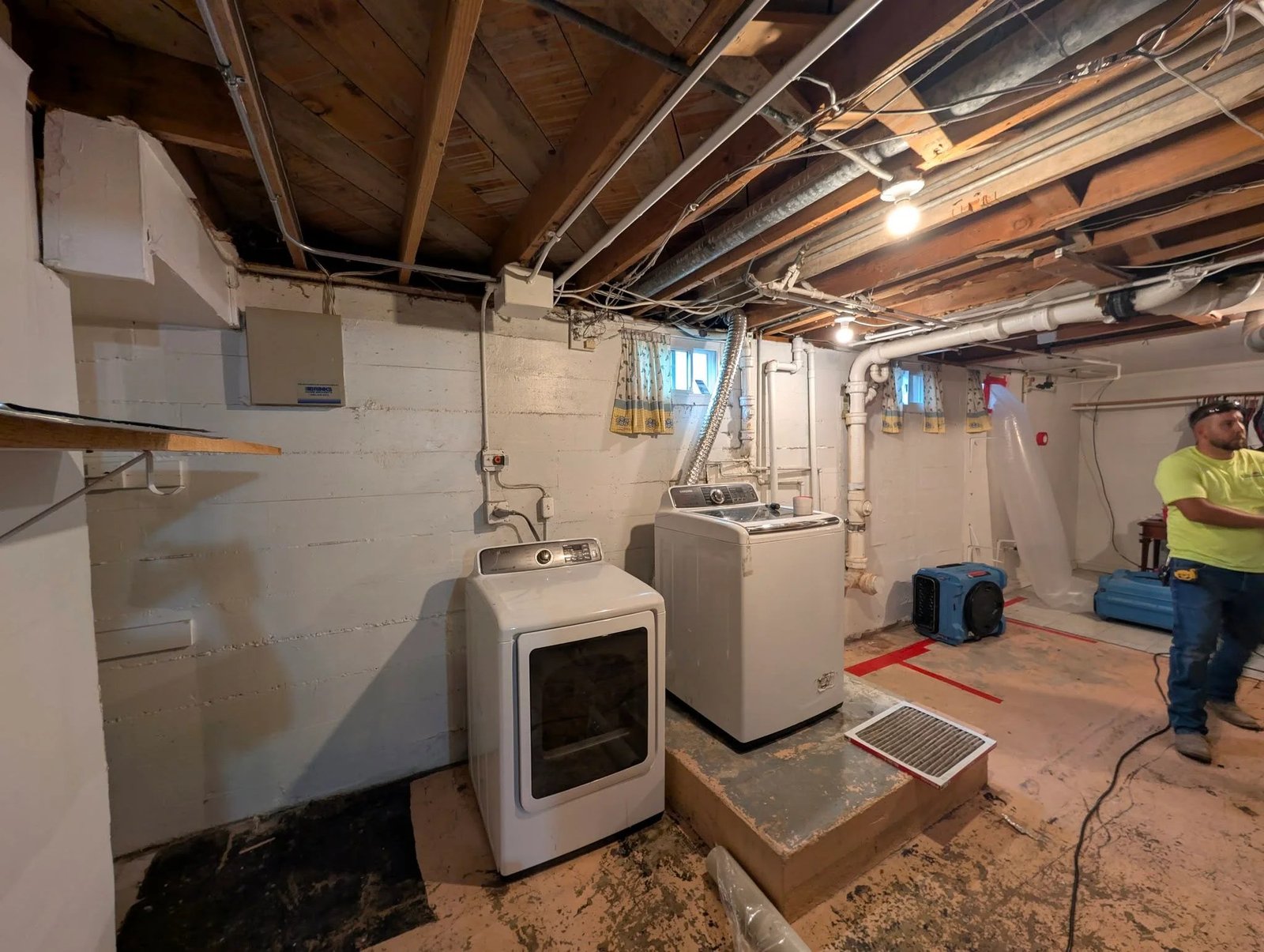
DSR technician on-site
🛡️ IICRC-certified technicians · On-site within 60 minutes
<60 minResponse
24/7Available
100%Insured
<60minEmergency Response
🕐24/7Always Available
🏆IICRCCertified Technicians
💼DirectInsurance Billing
What We Do

Complete Restoration Services

Every phase handled by IICRC-certified technicians — from first call to final sign-off.
Water Damage Restoration
💧

Water Damage Restoration

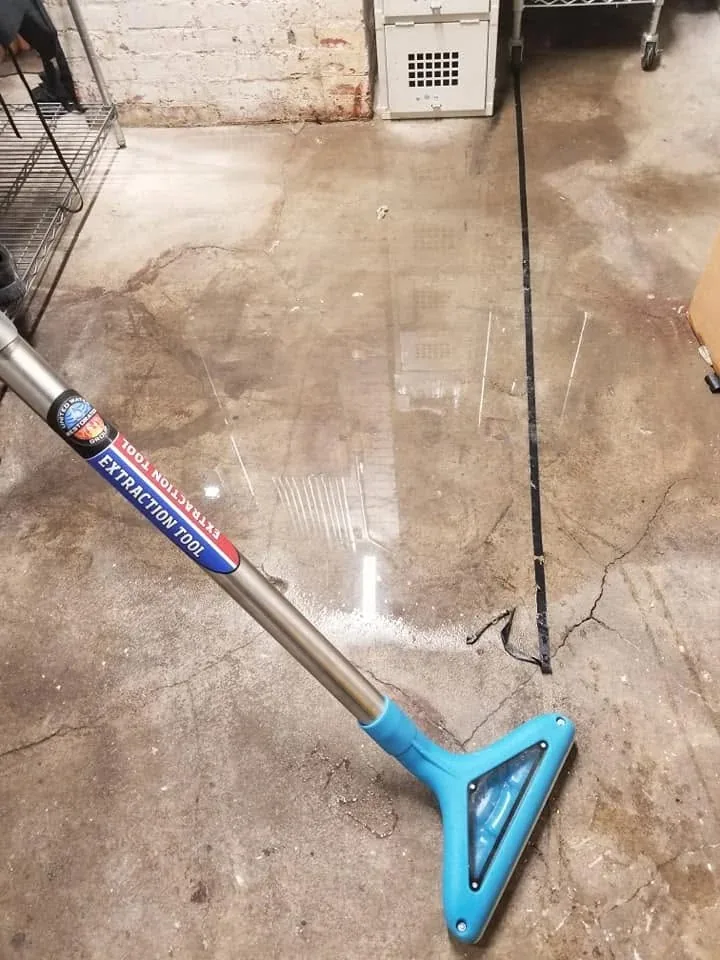
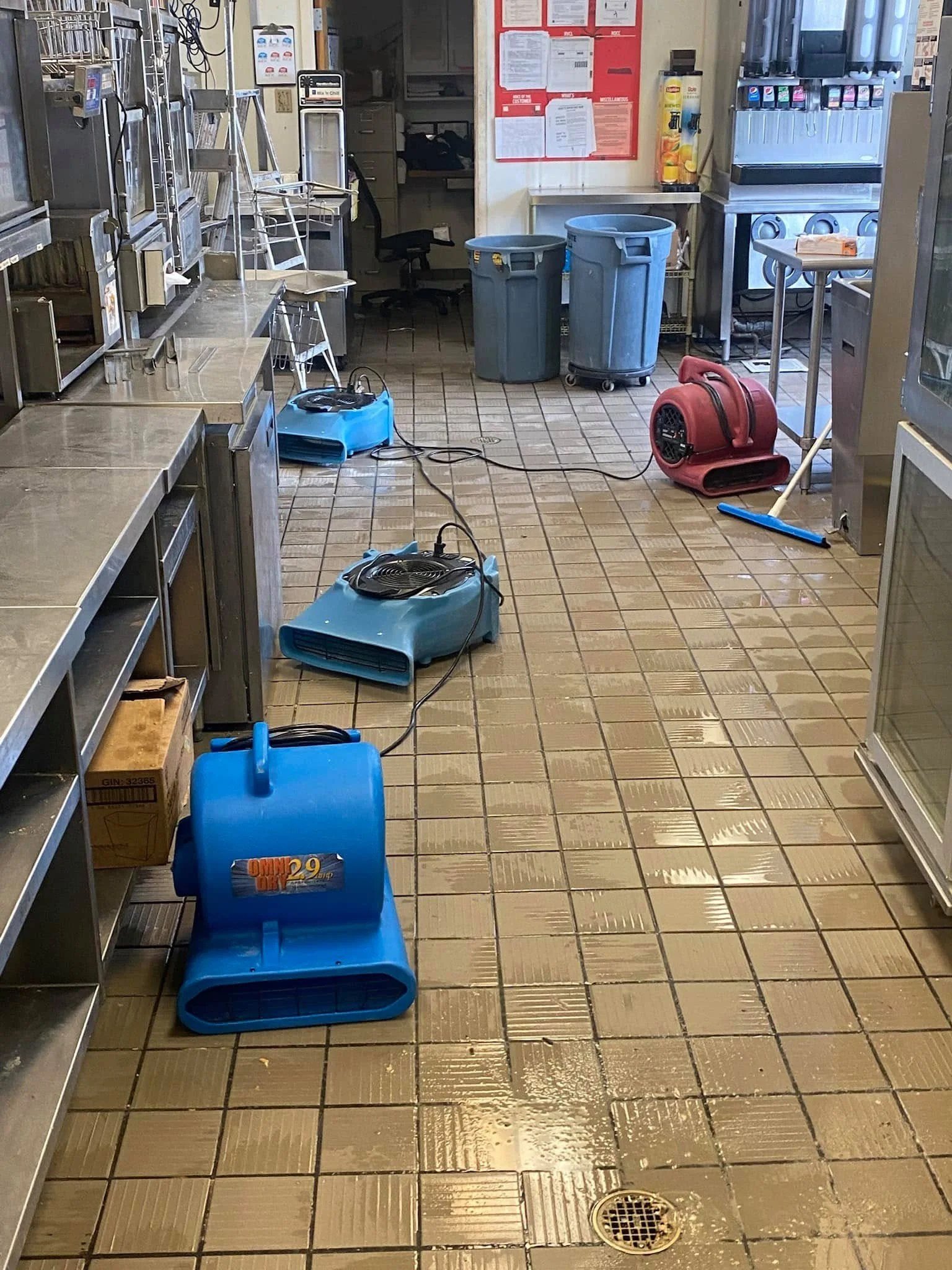
Rapid water damage Colorado Springs extraction and drying for burst pipes, appliance failures and flooding.

Learn more →
Mold Remediation
🦠

Mold Remediation

HEPA containment and EPA antimicrobial removal following IICRC S520 standard.

Learn more →
Fire & Smoke Damage
🔥

Fire & Smoke Damage

Full restoration from soot and odor removal to structural repairs.

Learn more →
Sewage Cleanup
🚿

Sewage Cleanup

Category 3 biohazard extraction and decontamination with full PPE.

Learn more →
Flood Damage
⛈️

Flood Damage

Storm flooding and foundation seepage specific to Colorado Springs clay soil.

Learn more →
Emergency Extraction
🏗️

Emergency Extraction

Industrial extractors deployed within the hour — preventing secondary damage.

Learn more →
How It Works

Our 4-Step Restoration Process

Clear, documented process from first call to final sign-off — no surprises.

1
📞
Emergency Call
A certified technician answers — not a call center. We dispatch immediately.
Within minutes
2
🔍
Assessment
Moisture mapping, thermal imaging, and full documentation of affected areas.
On-site <60 min
3
🌬️
Extraction & Drying
Industrial extractors and dehumidifiers deployed to IICRC S500 standards.
3–5 days avg
4
Restore & Sign-Off
Final moisture readings, antimicrobial treatment, full insurance documentation.
Full docs provided
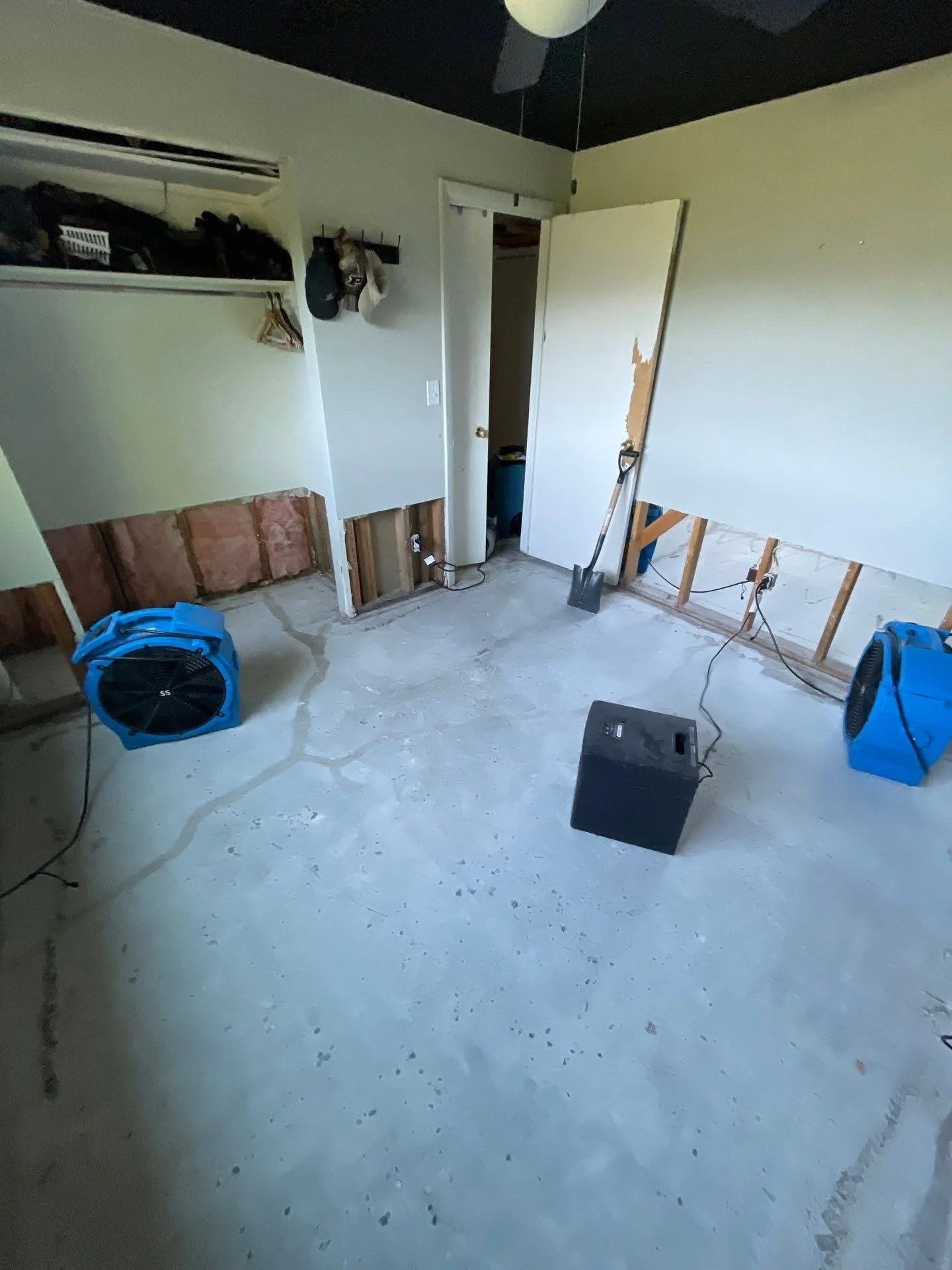
Water damage restoration in progress — Colorado Springs
IICRC S500Standard drying protocol
Why Dry Standard

Colorado Springs expertise — not a franchise formula

El Paso County's expansive bentonite clay, high-altitude freeze cycles, and monsoon flooding demand local expertise — not a national playbook dispatched from another state.

  • IICRC-certified technicians following S500 for every job
  • We document everything for your insurance claim — moisture logs, photos, scope
  • Direct billing to your insurer — you focus on your home, not paperwork
  • No subcontractors — the crew that shows up is our crew
  • Licensed and insured in Colorado — verifiable, not just claimed
  • Available 24/7 including holidays — water damage doesn't keep business hours
📞 Call (719) 618-9013
Our Credentials

Built for Water Damage Colorado Springs Homeowners

Every technician is trained, certified, and equipped for El Paso County's specific water damage challenges — from clay-driven basement seepage to monsoon flash flooding.

About Our Team →
🏆
IICRC Certified
S500 Water Damage, S520 Mold — industry standards, not self-certification.
💼
Insurance Direct
We bill your insurer directly and provide all documentation they require.
📍
Local Only
Colorado Springs–based team. No franchise dispatch from another state.
📋
Full Documentation
Moisture logs, scope of work, and photos at every stage of the job.
Where We Work

Serving El Paso County & Surrounding Areas

Available 24/7 for water damage Colorado Springs and surrounding communities.

Available 24 Hours · 7 Days a Week

Water damage doesn't wait.
Neither do we.

Call now and a certified technician picks up — not a recording, not a call center.

(719) 618-9013

IICRC-certified · Licensed & insured in Colorado · Direct insurance billing

Request Free Assessment

What should I do in the first ten minutes?

Shut off the water at the main and cut power to the affected area at the breaker if you can reach the panel safely and dry. Photograph everything before you move it — your insurer will want the loss documented where it happened. Then call (719) 618-9013. Extraction should start in hours, not days, because saturated drywall and carpet pad start supporting mold growth in about 24 to 48 hours.

If the water came from a sewer line, a septic system, or from outside the building, do not walk in it. That is Category 3 water under the IICRC S500 standard, and it carries pathogens that need containment and protective equipment to handle safely.

Where the main shutoff usually is in a Colorado Springs house

  • Pre-1940 Westside and downtown stock — often in an unheated crawl space, sometimes reached through a floor hatch or an exterior access door
  • 1950s–70s ranch homes — utility room or a closet near the water heater
  • 1980s and newer — basement, usually on the front foundation wall where the service line enters

Find it now, before you need it. In an emergency at 2 a.m. that ninety seconds matters more than anything else on this page.

Call (719) 618-9013. A person answers, day or night.

📞 Call (719) 618-9013

What kind of water damage are we dealing with?

Most of what we see in Colorado Springs falls into six patterns. Each one behaves differently and each has a different insurance answer.

  • Burst and frozen pipes — concentrated December to February, and almost always in crawl spaces, garages, north-facing exterior walls, or a home sitting empty with the heat set low
  • Basement seepage with no plumbing leak — expansive clay pressing water through the cove joint, the seam where your basement floor meets the wall
  • Appliance and supply line failures — washer hoses, fridge lines, dishwashers. The most common year-round loss in any market, including this one
  • Sewer and septic backups — municipal surcharge during monsoon storms, root-intruded clay laterals in the older Westside, and septic failures in Black Forest and Falcon
  • Storm, hail and flash flooding — hail opens the roof, then the next storm does the interior damage
  • Slow hidden leaks — the ones found late, usually by a stain, a smell, or a floor that has started to move

Why does water damage work differently in Colorado Springs?

Because most basement water here is not a plumbing problem. El Paso County sits on expansive bentonite clay, which swells when it takes on water and presses against foundations. The Colorado Geological Survey treats expansive soil as a named statewide hazard. After a heavy irrigation cycle or a monsoon storm, that pressure pushes water through the cove joint — the seam where the floor slab meets the foundation wall. If you have water along the edges of your basement floor and no leak anywhere upstream, that is usually what happened, and no plumber is going to find anything.

Three other conditions stack on top of it:

Freeze-thaw, sometimes twice in one day

The Front Range can cross 32°F several times inside 24 hours. Colorado Springs Utilities attributes elevated water main break rates to that freeze-thaw cycle directly. It drives two separate failures — supply lines bursting inside your walls, and municipal mains breaking outside them. Burst risk climbs sharply below about 20°F with six or more hours of exposure.

The monsoon and the burn scars

Flash flooding is the most common natural hazard in Colorado Springs according to the City’s Office of Emergency Management. The North American monsoon concentrates the risk from roughly mid-July to mid-September. The 2012 Waldo Canyon Fire burned 18,247 acres across four sub-watersheds — Fountain Creek, Camp Creek, Douglas Creek and Monument Creek — and flooding off that scar can begin within about 15 minutes of heavy rain starting, on rainfall totals that would do nothing anywhere else. The 2013 Black Forest Fire scar behaves the same way. Rockrimmon, Mountain Shadows, Manitou Springs and the Ute Pass corridor sit directly below that runoff.

Dry air, which cuts both ways

Low ambient humidity is genuinely an advantage when we dry a structure — there is more capacity in the air to take moisture up. It is also the reason water damage gets found late here. Surfaces feel dry to the hand while the assembly behind them is still wet. That is why we dry to a documented dry standard using meter readings against unaffected material of the same type, not to whether a wall feels dry. At 6,035 feet, reduced air density also changes how dehumidifiers perform against their rated capacity, which is why equipment selection is not a formality.

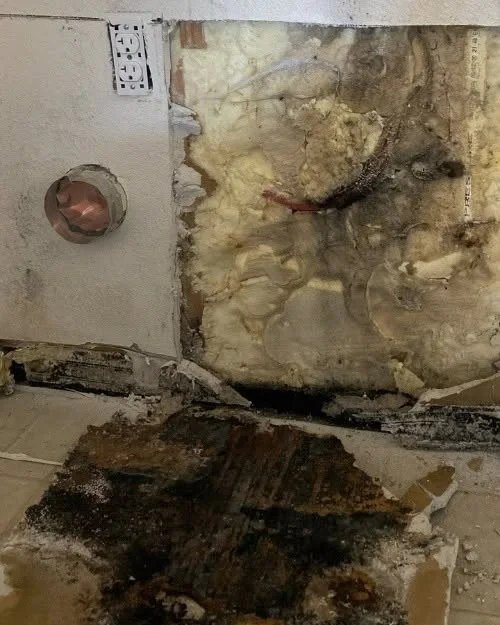
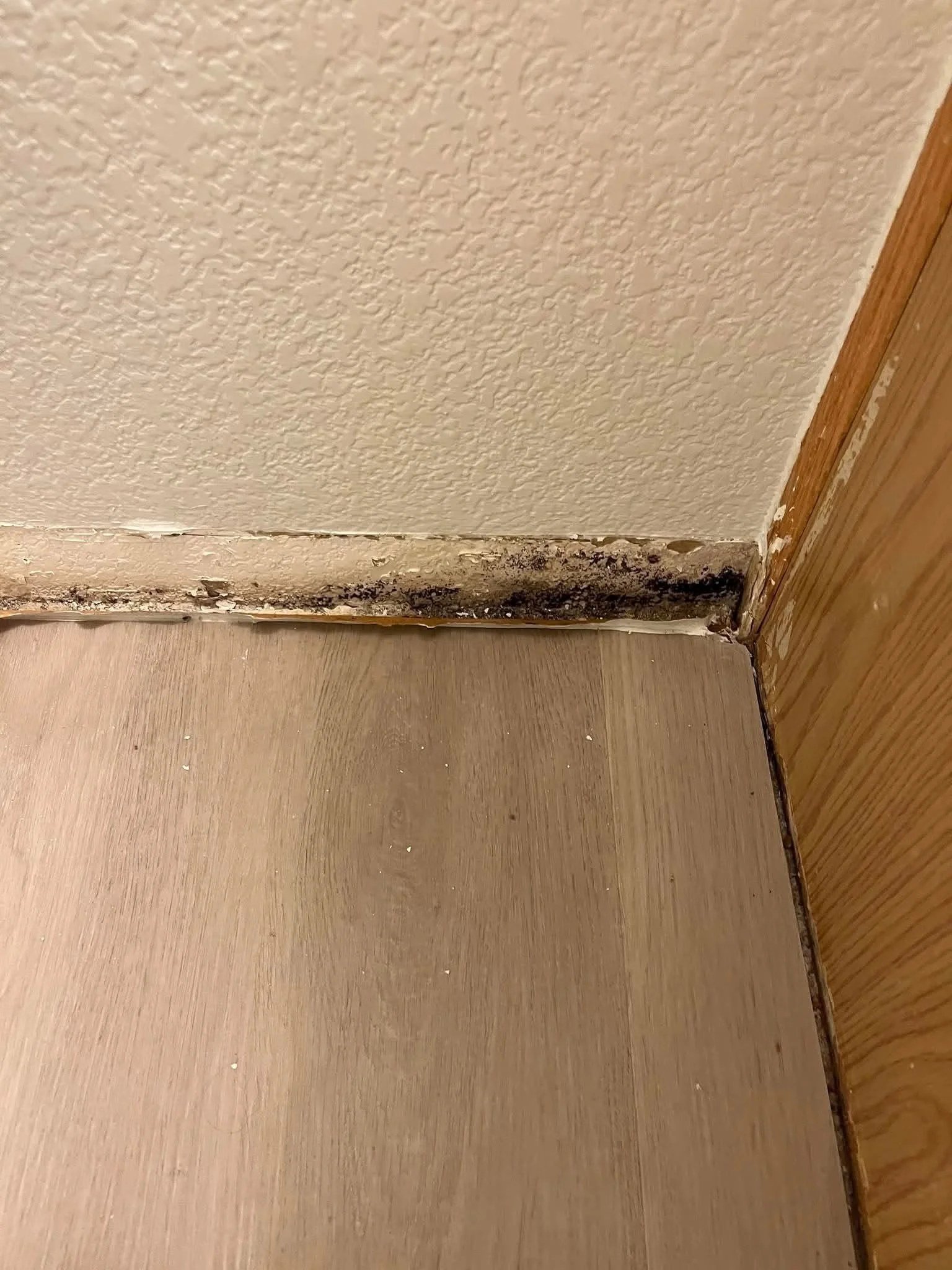
Black mold on the wall base revealed after the baseboard was removed

Water on the floor right now?

Tell us where it came from and how long it has been there. We will give you a time, not a window.

24/7 — Colorado Springs and El Paso County

What does water damage restoration cost here?

It depends on six things, and any company that gives you a firm number before seeing the loss is guessing: how many rooms are affected, whether the basement is finished, whether the water was clean or came from a sewer line, which materials got wet, how many days passed before drying started, and how much of the work is mitigation versus reconstruction.

Those last two matter most. Every day the water sits, the scope grows — and mitigation (drying and removal) is usually billed separately from reconstruction (putting it back). A lot of the confusion people have with restoration invoices comes down to not knowing those are two different jobs.

We publish real local ranges rather than telling you cost varies. See what water damage restoration actually costs in Colorado Springs →

Will my homeowners insurance cover this?

Usually yes if the damage was sudden and accidental, usually no if it was gradual. That single distinction decides most water damage claims. Water damage and freezing is the second most common home insurance claim category in the US and it carries the highest denial rate of any category — and the reason given is almost always that the damage was judged gradual or maintenance-related rather than sudden.

A pipe that bursts is sudden. A supply line that has been weeping behind a cabinet for eight months usually is not, and no restoration company can change that.

Two things specific to Colorado are worth knowing before you file:

  • Flooding is excluded from standard homeowners policies. In a city where the most common natural hazard is flash flooding off two burn scars, that gap is real. Flood coverage is separate, through the NFIP or a private policy.
  • Hail drives a large share of what you already pay. The Colorado Division of Insurance’s February 2026 analysis — built from data covering roughly 80% of the market across 11 counties — found hail accounts for 26% to 54% of a Colorado homeowner’s premium depending on county, and roughly 50% along the Front Range. Hail is also a water damage cause, not just a roofing one: it opens the envelope, and the next storm does the interior damage.

Coverage depends on your specific policy. We are a restoration contractor, not licensed insurance advisers.

How fast can someone actually get here?

A person answers (719) 618-9013 directly, 24 hours a day. Not a call centre taking a message, and not a callback window.

From our base in the 80909 area we reach most of Colorado Springs quickly. Some parts of the service area genuinely take longer — Black Forest, Falcon, the far-east ZIPs past Banning Lewis Ranch, and the Monument end of the county are a real drive, and we will tell you that on the phone rather than after you have waited. [RESPONSE TIME COMMITMENT — insert only a figure you will honour every time, including at 3 a.m.]

If we cannot get to you faster than someone else can, we will say so. A crew arriving in ninety minutes is worth more to you than a promise from a crew arriving in four hours.

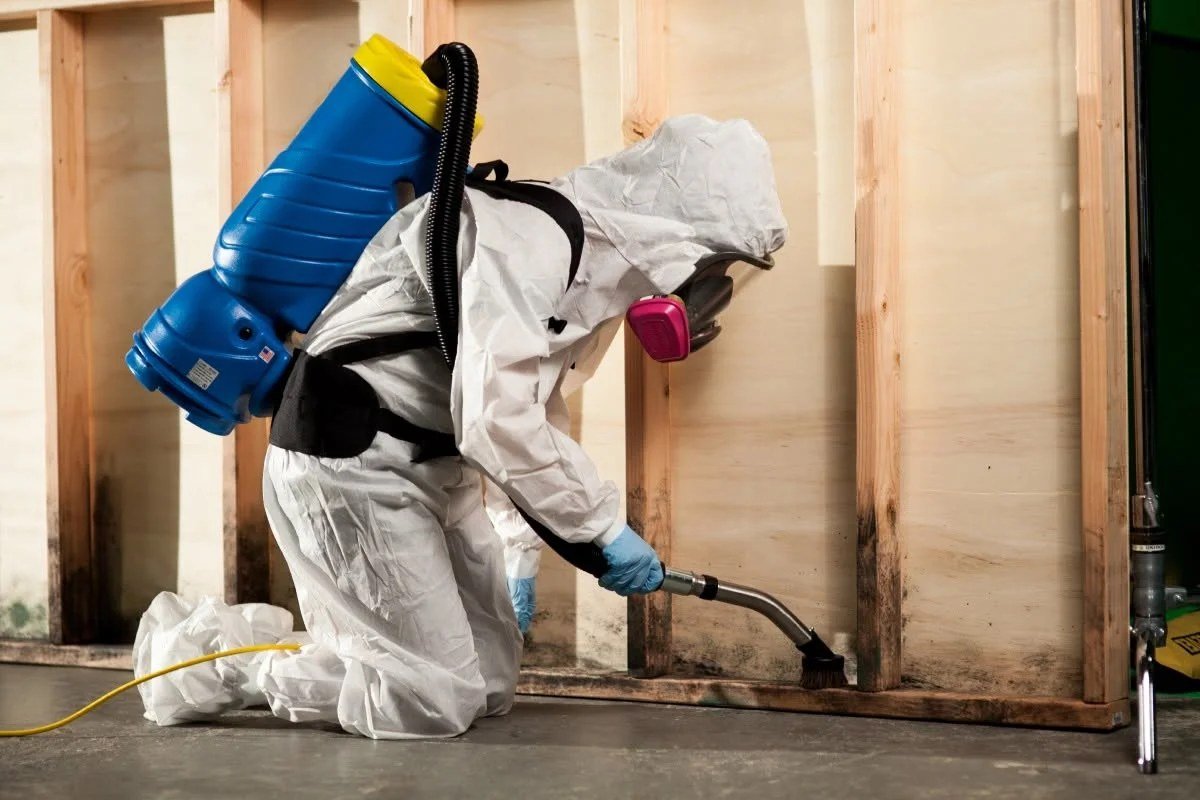
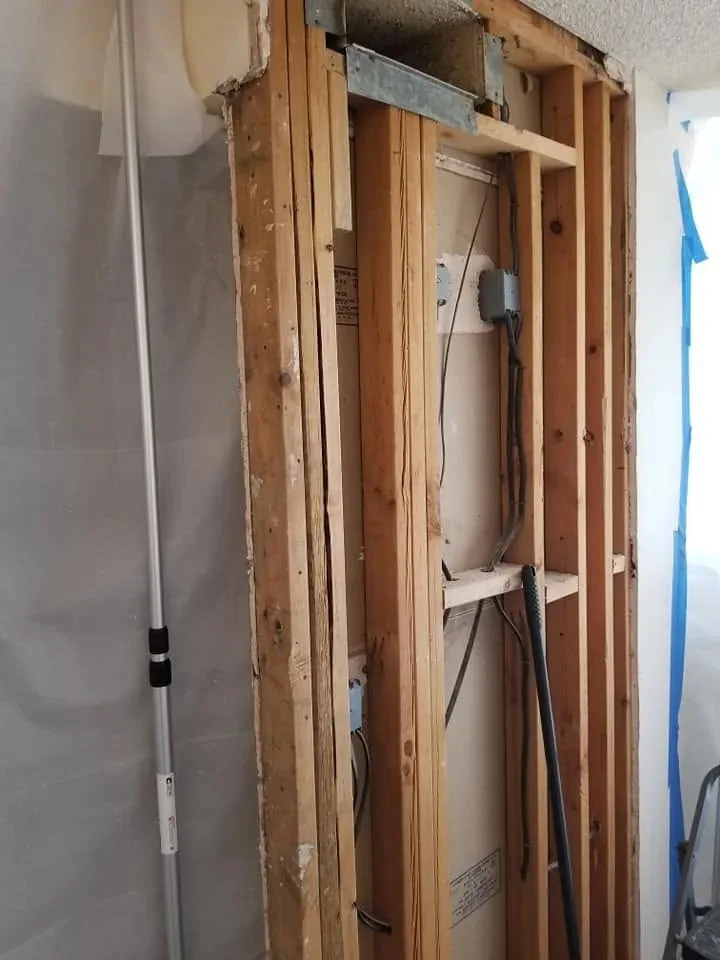
Technician in full protective equipment and respirator applying antimicrobial to an opened wall cavity

Do you serve my part of Colorado Springs?

We cover Colorado Springs and El Paso County. Different parts of the metro fail in different ways, and knowing which one you are in changes what we bring on the truck.

AreaZIP codesWhat we see most
Downtown, Middle Shooks Run, Old North End80903, 80907Root-intruded clay sewer laterals, pre-1940 stock, Shooks Run drainage
Westside, Old Colorado City, Pleasant Valley80904, 80905Crawl spaces, galvanised supply lines, Camp Creek and Waldo scar runoff
Broadmoor, Skyway, Stratton Meadows80902, 80906Slope-driven intrusion off Cheyenne Cañon drainage
Southeast, Hillside, Wildflower80910, 80916Post-war slab stock, Fountain Creek and Sand Creek proximity
East Colorado Springs, Knob Hill, Village Seven80909, 80917Polybutylene-era plumbing, Palmer Park runoff, high rental density
Rockrimmon, Mountain Shadows, Peregrine80919Directly below the Waldo Canyon burn scar — window wells and walkout basements
Briargate, Northgate, Gleneagle80920, 80921The polybutylene window, large finished basements, Cottonwood Creek
Northeast, Powers, Stetson Hills, Wolf Ranch80918, 80922, 80923, 80924, 80938, 80939, 80951Exterior-wall pipe freeze in newer tract construction, finished basements
Peterson SFB, Cimarron Hills80914, 80915PCS turnover, empty homes, deployed-occupant losses
Fort Carson, Fountain, Security-Widefield80911, 80913, 80925, 80926High water table, some septic, military rental density
Banning Lewis Ranch and far east80927, 80928, 80929, 80930New-construction defects, wells and septic at the rural edges
Black Forest, Falcon80908Wells, septic, no municipal sewer, 2013 burn scar, longest drive times

A note for military families

Colorado Springs has four installations, and PCS season runs May through August — the same weeks the monsoon does. A house sitting empty mid-move is the single most common way we find a loss late. If you are deployed, mid-PCS, or renting near Fort Carson, Peterson or Schriever, we work with out-of-state owners and property managers routinely. Military and PCS water damage guide →

When do you not need to call us?

Sometimes you do not, and we would rather tell you now than send a truck.

If all of the following are true, you can very likely handle it yourself:

  • It is under roughly 10 square feet
  • It is clean water — a supply line, not a drain line, not from outdoors
  • You caught it within about 24 hours
  • It is on a hard surface, or on carpet you are willing to lift and dry
  • Nothing is near the electrical panel or the furnace

Pull the carpet back, get the pad out, put a fan on it and a dehumidifier in the room, and check it in two days. If it still feels damp, or if a musty smell develops, then call.

If you are not sure, call (719) 618-9013 and describe it. We will tell you straight whether it needs us.

What happens when you call

  1. You describe it, we ask three or four questions. Where the water came from, how long it has been there, what it has touched. That decides what equipment comes on the truck.
  2. We give you a time, not a window. If it is going to be two hours, we say two hours.
  3. We meter before we quote. Moisture readings and thermal imaging determine the scope. You get the readings, not just a number.

Call (719) 618-9013 — 24/7, Colorado Springs and El Paso County.

📞 Call (719) 618-9013

Frequently asked questions

How quickly does mold start after water damage?

Roughly 24 to 48 hours on wet porous material — drywall, carpet pad, insulation. In a finished Colorado Springs basement that clock starts the moment the water arrives. Dry air here delays the smell, not the growth, which is why losses get found late. If drying has not started within about two days, assume mold is part of the job.

Do you work directly with insurance companies?

Yes. For every water damage Colorado Springs claim, we document the loss with moisture readings and photographs, write the scope in the format adjusters expect, and bill your carrier directly where your policy allows. You are still the policyholder and the decisions are yours — including which contractor you use.

Is standing water in a basement always an emergency?

Not always, but it is always time-sensitive. Clean water on a sealed slab caught the same day is often manageable. Water in a finished basement, near the furnace or panel, or from a sewer line is urgent — carpet pad and drywall begin supporting growth in about 24 to 48 hours.

What is Category 3 water and why can't I clean it up myself?

Category 3 is grossly contaminated water — sewage, septic backup, or flooding from outdoors. It carries pathogens, and the porous materials it touches cannot be disinfected in place. Cleanup requires containment, protective equipment and disposal under the IICRC S520 standard. This is not a sales line; it is a health one.

Do I have to move out while the house dries?

Usually not. Most drying runs three to five days with equipment in the affected rooms, and we build containment so the rest of the house stays usable. You will hear the air movers. If the loss is Category 3 or involves the only bathroom or kitchen, we will tell you honestly that staying elsewhere is easier.

Call Dry Standard Restoration

IICRC-certified. We meter before we quote, and you get the readings.

24/7 — Colorado Springs and El Paso County